NTM Meaning Slang: What It Really Means in Text, TikTok, and Online Chats
Nowadays, scrolling through social media feels like reading a secret language. New slangs like “NTM” are changing the way we communicate, particularly among younger generations. These terms connect generation-Z individuals during online interactions.
In our conversations, understanding the meaning of such slang is essential for anyone wanting to stay relevant. The trend of using slang words like NTM reveals how people communicate these days during these changing times.
What Does NTM Mean in Slang?
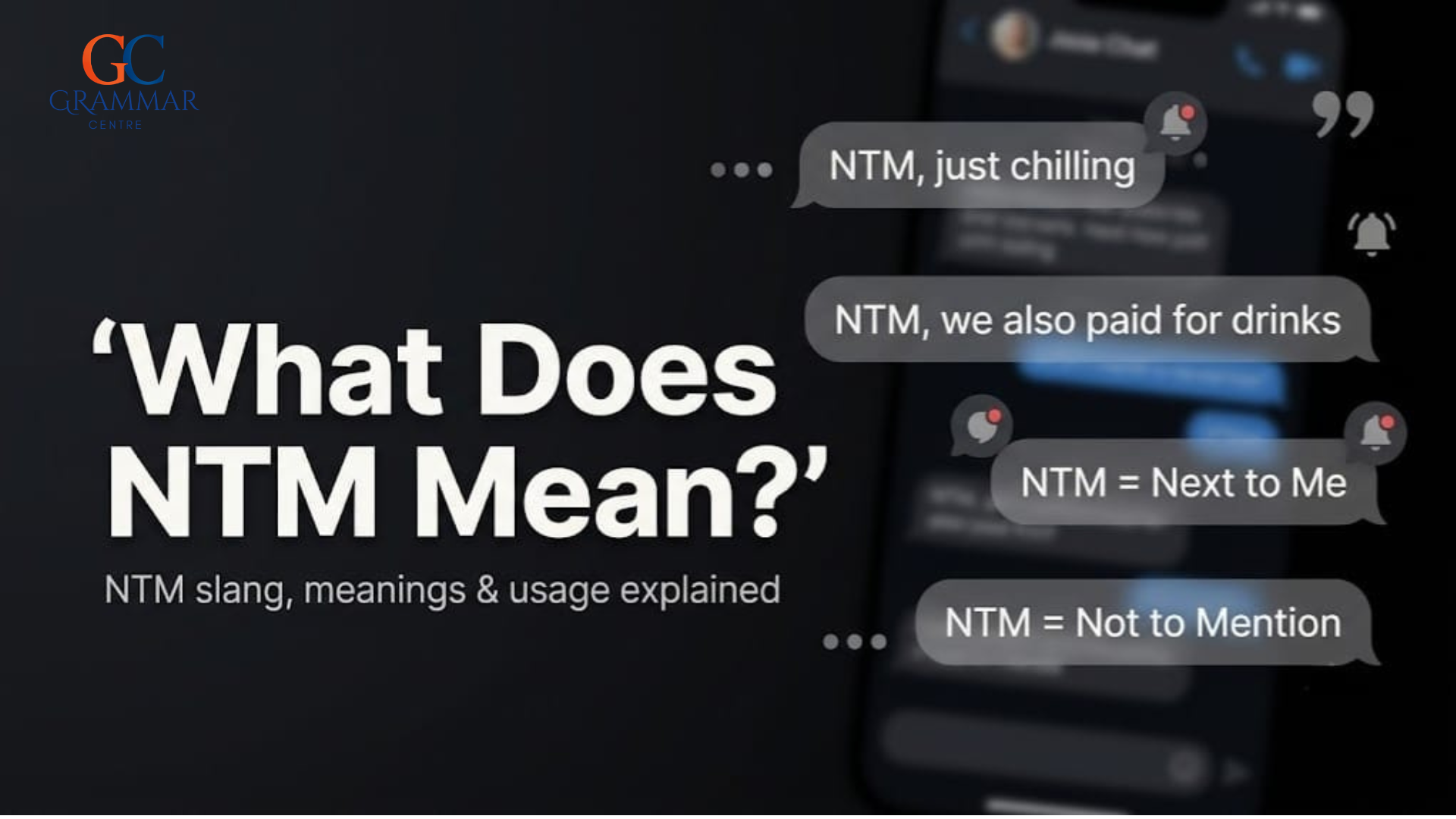
“NTM” is one of the abbreviations and slang terms that has gained fashion in informal conversations. It stands for “Not Too Much” and this phrase often appears in text messages on social media which conveys a calm attitude. It’s an ideal response to suggest a sense of ease or a lack of urgency in daily life, such as when someone asks what you’re up to. By using NTM, individuals signal they are casually engaged, thus sharing a moment without giving details of their activities.
NTM, often abbreviated for “nothing much” is also used as a casual response when questioned about one’s activities or mood. If someone asks how you’re doing, instead of writing a lengthy explanation, a small “NTM” conveys that you’re doing fine.

Where Did NTM Come From?
NTM emerged from the digital world of the 1990s and 2000s, particularly among younger audiences on social media platforms. Its formation from “Nothing too much” to NTM reflects how people abbreviated phrases into three-lettered acronyms to communicate effectively. Many examples like LOL and OMG show the simplification of common phrases. This trend showed an efficiency in speech, where emotions were expressed in just a few letters.

The term “NTM” originated as a vulgar phrase from France in the late 1980s. As the phrase gained popularity, it found its way into the lyrics of hip-hop songs of Suprême NTM, which used their music to highlight the struggles of disadvantaged communities. NTM proves how slang has been used through various contexts and finally becomes a shared language that connects different groups.
How Is NTM Used in Texting?
The abbreviation “NTM,” which stands for “Not Too Much,” is used as a slight way to express moderation in various contexts. Using slangs is the new language of social media and texting. Imagine a friend asking if you’re going out for the evening and you respond, “Just keeping it low-key, NTM.” This not only conveys your plans but also sets a casual tone, allowing for a more relaxed conversation. Its diverse use makes it popular among younger people who appreciate short communication.
When Should You Use NTM?
NTM does not always mean the same thing. It is a highly context-dependent phrase that changes meaning in different situations.
1) “Not Too Much”
NTM for “Not Too Much” shows a casual attitude with a sense of moderation in reactions, emotions, and experiences.
2) “Not Too Much” as a response to a question
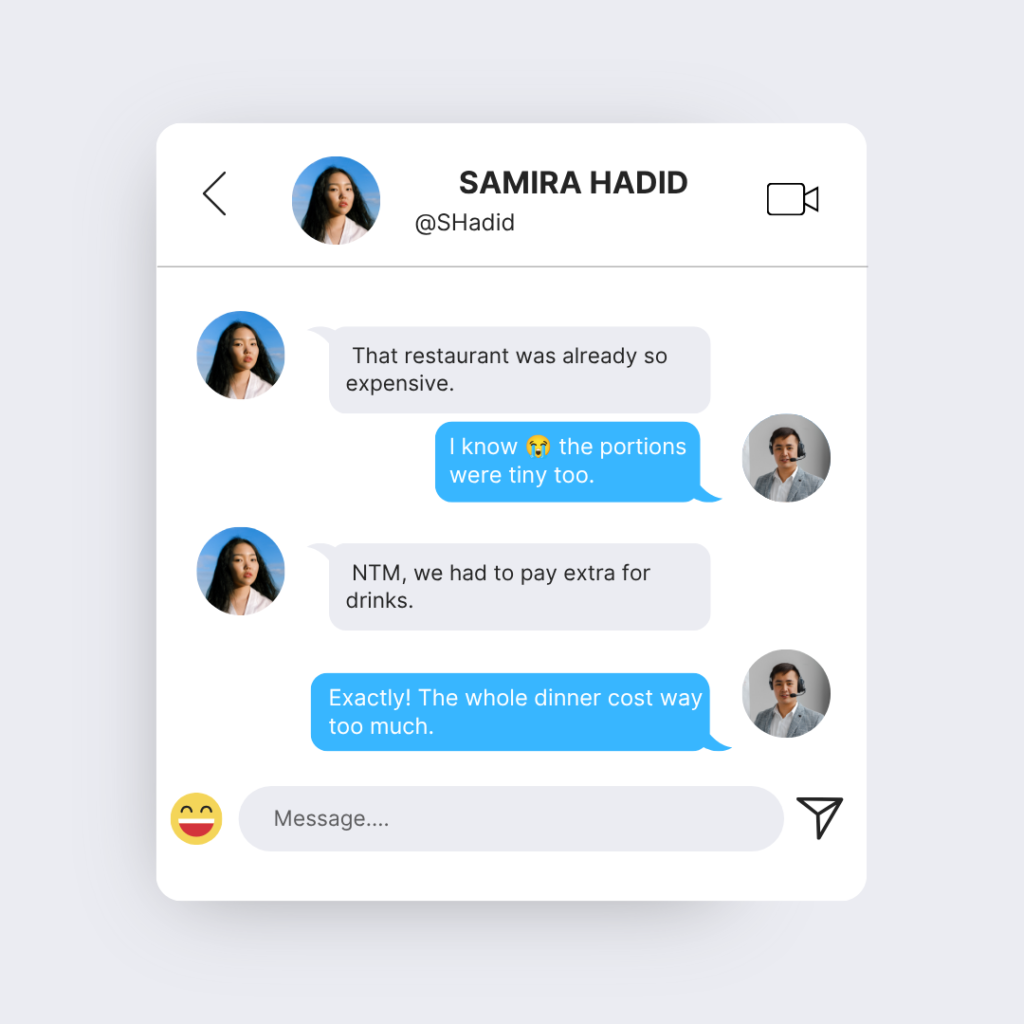
NTM can also be used as a response to an inquiry that captures a mix of emotions and attitudes.

3) “Nothing Much”
This expression allows individuals to convey that they are unbothered or keeping things low-key.

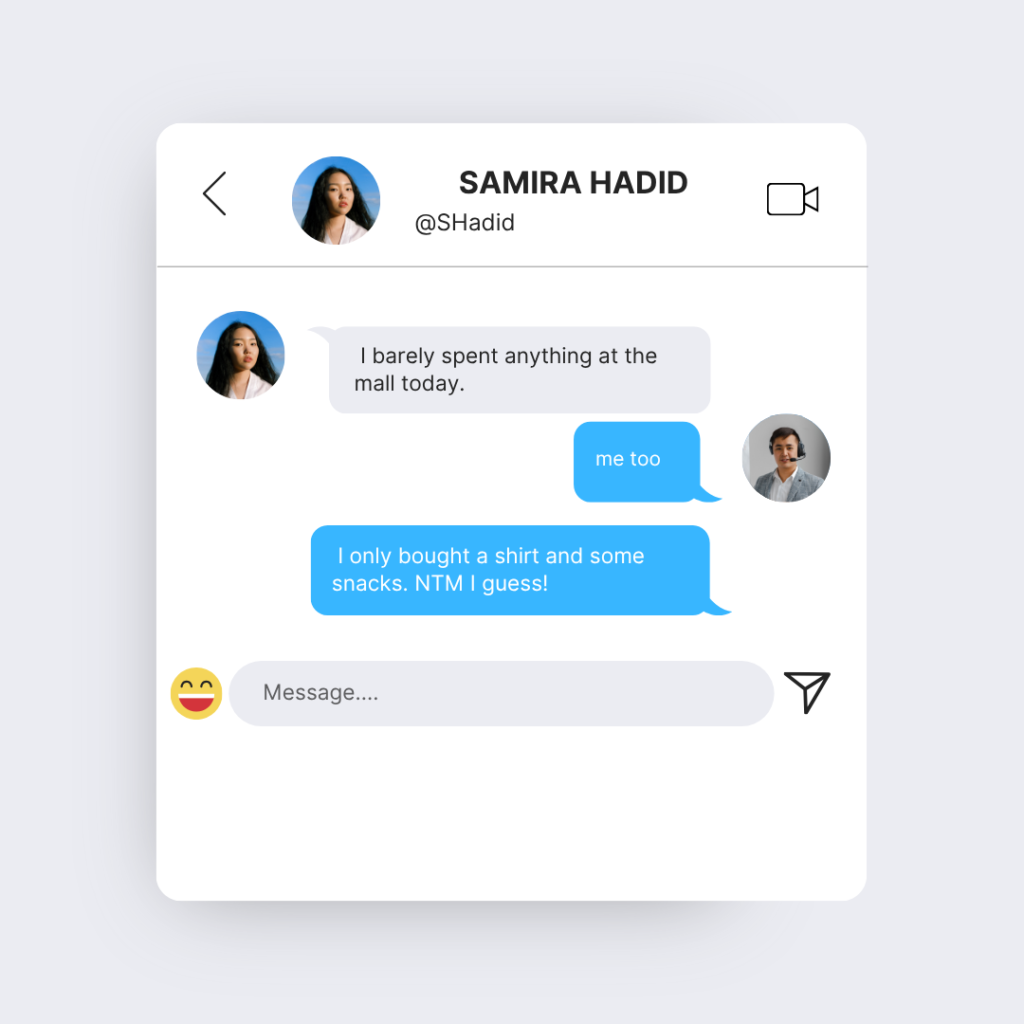
4) “Not to Mention”
This acronym allows texters to write additional points without crowding their messages.
5) “Next to Me”
The phrase explains the idea of having someone near you or standing by you through thick and thin.

6) “Non-Tuberculous Mycobacteria”
Non-tuberculous mycobacteria (NTMs) are a type of bacteria that lead to chronic lung diseases and skin infections.

7) Abbreviation for Organizations
NTM can represent various organizations, whether it’s the National Tourism Management or the Non-Traditional Medicine institute.
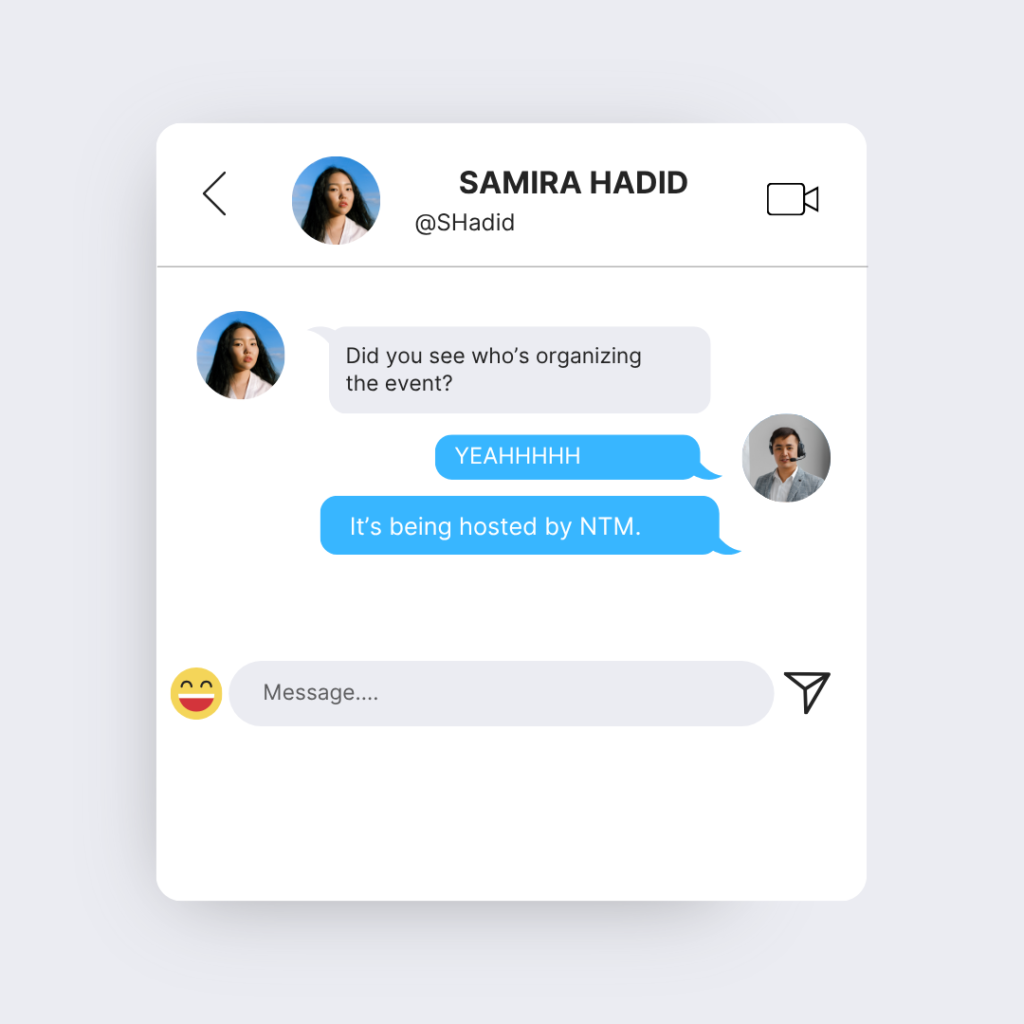
When NOT to use NTM
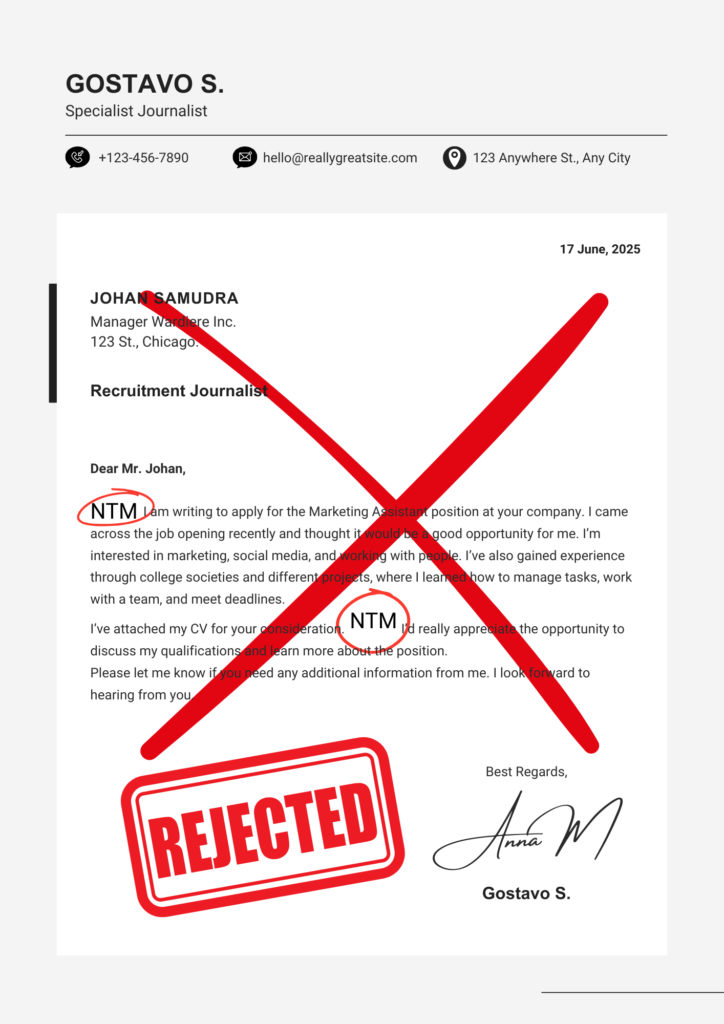
You should not use NTM in formal situations, such as:
- formal emails
- academic writing
- job applications
- professional communication
- messages where abbreviation could cause confusion
How to Respond When Someone Says NTM?
When someone drops the phrase “NTM” in conversation, it can feel difficult to answer. You can respond by asking a similar question, “What are you up to?” This not only opens the floor for them to elaborate, but it also shows you’re genuinely interested in their perspective.
NTM vs Similar Slang Terms
| Slang | Meaning | Example |
| NTM | Not too much / nothing much | “What are you doing?” — “NTM, just chilling.” |
| NGL | Not gonna lie | “NGL, that movie was actually good.” |
| TBH | To be honest | “TBH, I don’t really like it.” |
| FR | For real | “That was so embarrassing, fr.” |
| IDK | I don’t know | “IDK what happened.” |
| ATP | At this point | “ATP, I just want to go home.” |
NTM on TikTok and Social Media
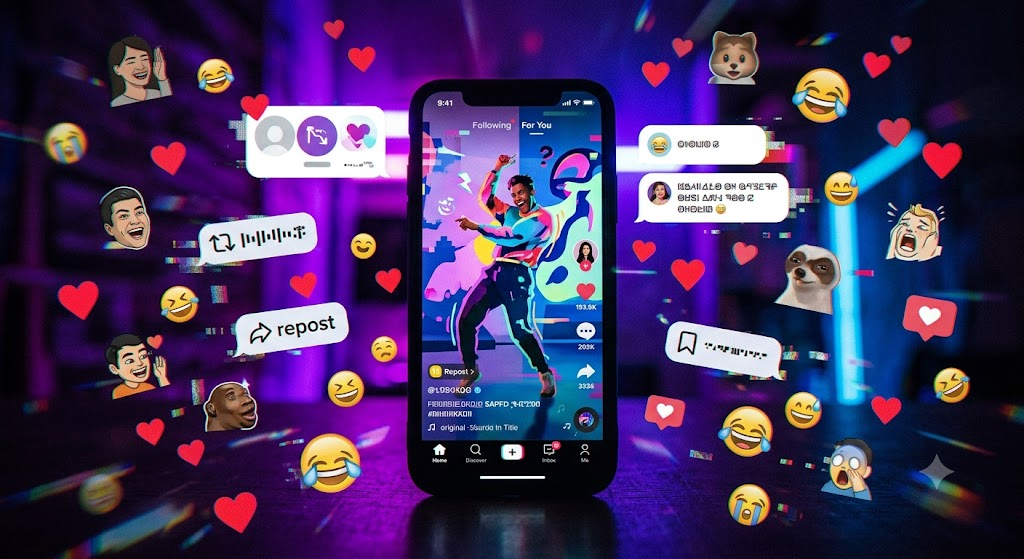
On Tiktok, NTM (Nothin’ Too Much) has emerged as more than just a catchy phrase. It captures a lifestyle that shows relatability with Gen Zs. As TikTok encourages creativity, this kind of authenticity empowers individuals to express themselves freely. Word on tiktok spreads like fire and soon everyone becomes familiar with the slang. People start commenting on posts using slangs like “NTM, just dancing.” Creators start making memes using these abbreviations and soon enough, they enter our daily conversations and texts.
Is NTM a Positive or Negative Slang?
While some see it as a casual way to avoid heavy conversations, others argue that it shows a sense of superficiality in our interactions. When used in everyday chats, NTM can convey a casual or an annoyed attitude, depending on the context. Ultimately, whether NTM is seen as positive or negative depends on the context and the situations at hand.
NTM used in French has a highly insulting and dismissive tone and thus, it should be avoided.
Is NTM Used Worldwide?
Slangs are phrases that have gained popularity in various online communities, particularly within social media and texting platforms. NTM is highly famous among younger generations who favor ease in communication. While NTM may not be universally recognized, its usage varies significantly across cultures and languages. For instance, in countries where English is a second language, locals might adopt such phrases to make dialogues easier.
The Psychology Behind Slang Like NTM
Slang such as NTM serves as a bridge that connects individuals within specific social and cultural groups. It offers a glimpse into the collective psyche of a generation. The adoption of such short abbreviation reflects a desire for connection.. This is used in digital spaces like texts, Tiktok and online chats, where the rapid exchange of information demands shortness.
Final Words
In conclusion, the use of slang like “NTM” (Nothing Too Much) serves as a fascinating reflection of our changing language and communication. It focuses on the use of creativity in communication and allowing individuals to express casualness in conversations. So next time you come across a new slang term, take a moment to explore its meaning and the collective significance it holds within your social circle.
FAQs
Q1. What does NTM mean in slang?
A. NTM usually means “not too much” or “nothing much” in casual texting.
Q2. Can NTM be used in a professional setting?
A. No, NTM is informal slang so it is avoided in professional emails, academic writing, and formal communication.
Q3. Is NTM the same everywhere?
A. No, NTM can have different meanings depending on the context. It can mean nothing much, not too much, not to mention etc.
Q4. What does NTM mean on Twitter/X?
A. On Twitter/X, NTM commonly means “not too much” or “nothing much,” depending on the context.
Q5. What does NTM mean on Instagram?
A. On Instagram, NTM is commonly used in casual chats to mean “not too much” or “nothing much.”
Q6. What does NTM mean in dating?
A. In dating conversations, NTM usually means “not too much” or “nothing much,” most as a reply to what you doing (wyd?)
Q7. What is NTM in French slang?
A. In French slang, NTM can mean “Nique Ta Mère,” a highly vulgar insult, and is also associated with the French rap group Suprême NTM.
Q8. Can NTM lung disease be cured?
A. Yes, NTM lung disease can be cured in some cases, but treatment is lengthy and depends on the specific infection and the person’s health.