
Top 20 Science Words That Start With S: Definitions, Examples, and Their Importance in Modern Science
Science is filled with words that look difficult, but mastering these terms can improve our understanding more than we realize. Among the most critical of these terms starts with “S,” representing concepts that initiate advancements and discoveries. It is important to dissect the top science words starting with “S,” providing definitions, relatable examples, and insights into their importance in today’s research and everyday life.
List of Science Words That Start With S
- Science
- Species
- Solar Energy
- Solution
- Symbiosis
- Sediment
- Synthesis
- System
- Stimulus
- Sustainability
- Spectrum
- Solubility
- Satellite
- Seismology
- Symmetry
- Stoichiometry
- Salinity
- Spectroscopy
- Sublimation
- Scattering
- Surface Tension
1) Science:
Science is defined as a systematic study that builds and organizes knowledge in the form of explanations and predictions about the universe. At its core, science enhances a mindset of curiosity and encourages individuals to question their surroundings and seek deeper understanding through observation and experimentation.

2) Species:
The concept of species covers the organisms that have the potential for interbreeding, genetic similarity, and shared evolutionary history. However, it increasingly includes ecological interactions and behaviors. By re-evaluating what constitutes a species, scientists can better address issues of extinction and biodiversity loss.

3) Solar Energy:
Solar energy, often described as one of the most abundant forms of renewable energy, refers to the harnessing of sunlight to generate electricity or heat. This form of energy represents a shift towards sustainable practices that can reduce our dependence on fossil fuels.
4) Solution:
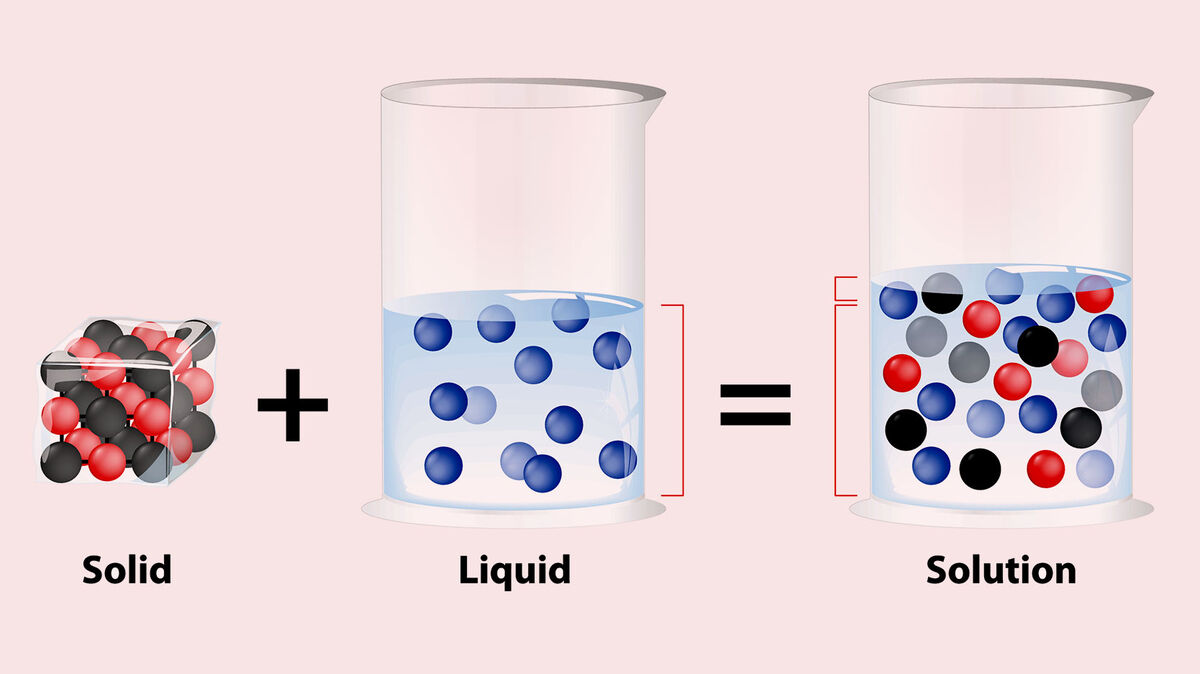
A solution is a homogeneous mixture where one substance, the solute, is dissolved in another, the solvent. From a scientific standpoint, understanding solutions opens up intriguing ways for exploration, such as the principles behind concentration, saturation, and the impact of temperature on solubility.
Delving deeper, the science term “colloidal solutions” introduces a fascinating layer where particles remain suspended rather than fully dissolved, captivating both chemists and physicists alike.
5) Symbiosis:
Symbiosis refers to the intricate relationships formed between different species that coexist in nature. This biological phenomenon is characterized by its diverse forms, from mutually beneficial arrangements to more combative interactions. For instance, mutualism grants both organisms advantages — think of bees and flowers, where pollination benefits both parties. Meanwhile, in parasitism, one organism lives at the expense of the other, showcasing nature’s complex balance of power.

6) Sediment:
Sediment, a fundamental science term, refers to the small particles of organic and inorganic matter that settle at the bottom of bodies of water, ranging from rivers to oceans. These deposits are not merely passive accumulations but they tell a dynamic story of Earth’s history, revealing clues about past climates, environmental changes, and biological activities. For instance, layers of sediment can show shifts in ecosystem health.
7) Synthesis:
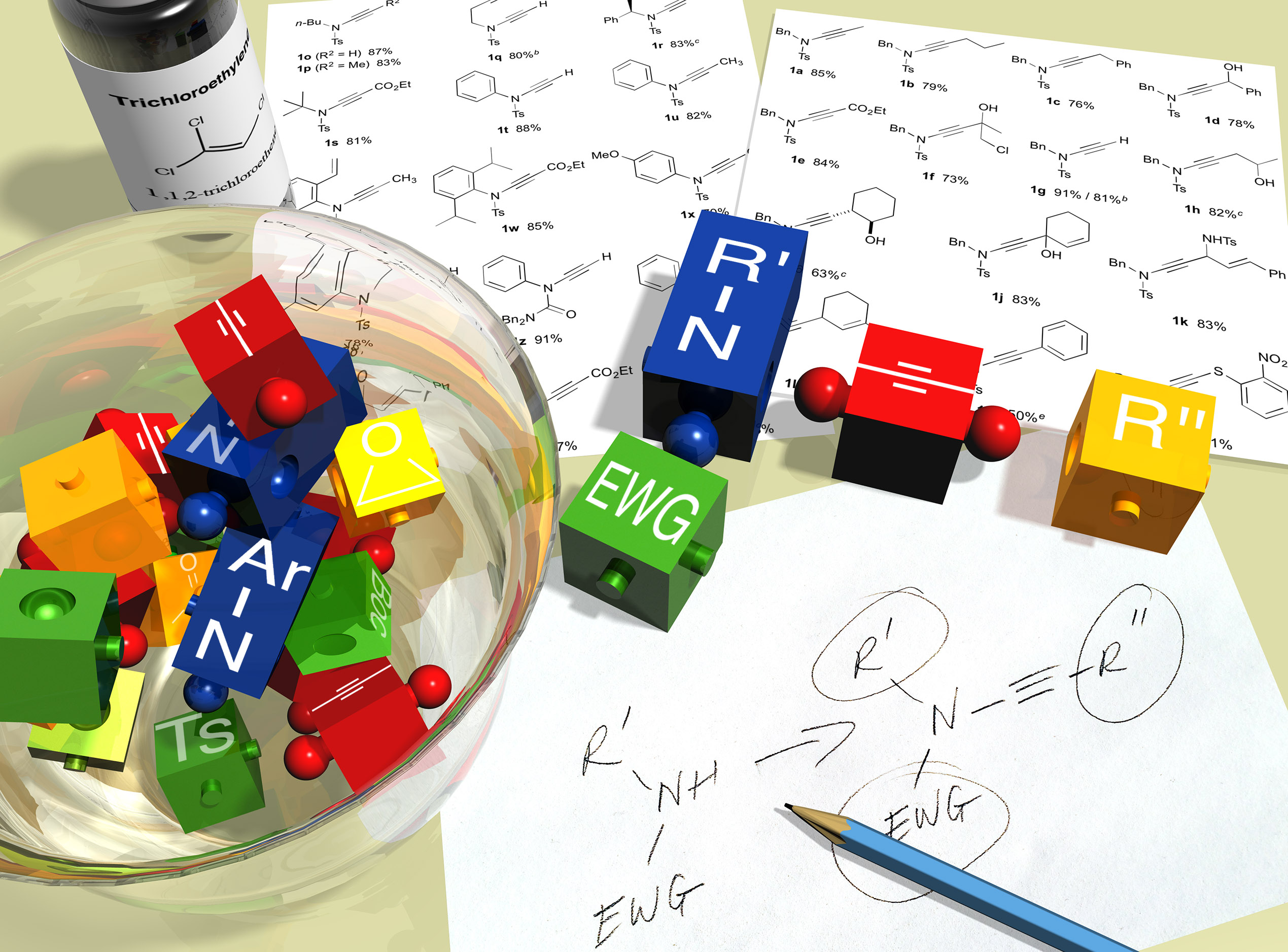
Synthesis refers to the process of combining distinct elements to form a unified whole, whether in chemistry, biology, or even ideas. For instance, in chemistry, synthesis involves constructing complex molecules from simpler ones. The synthesis of ideas can lead to solutions that reshape our understanding and spark innovation.
8) System:
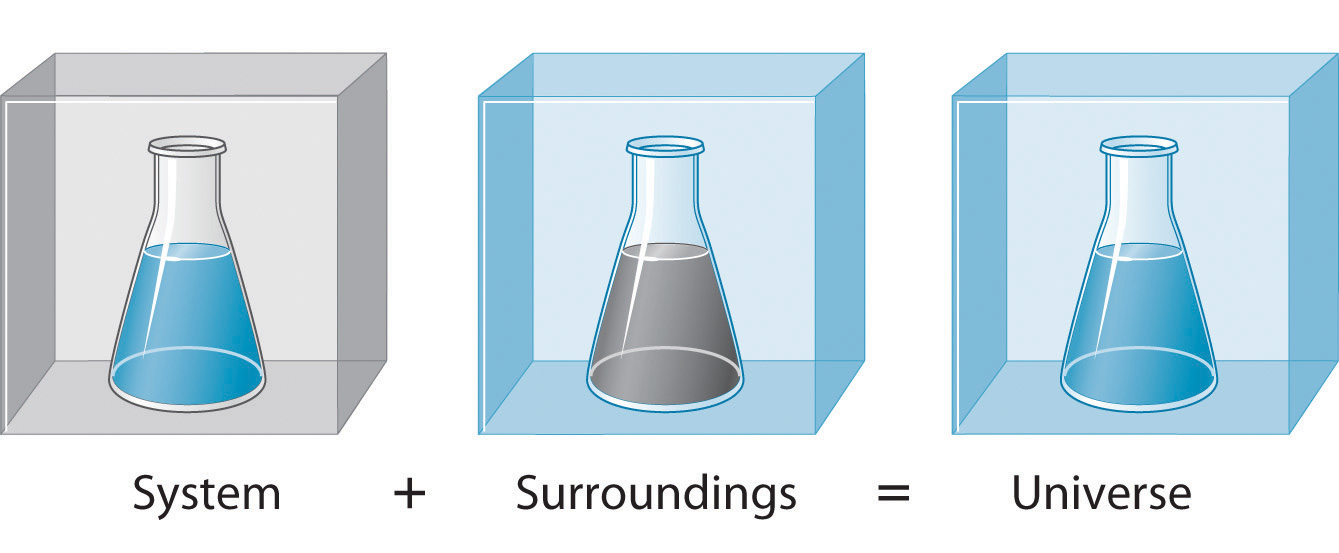
It is a collection of interrelated components that interact within defined boundaries to produce specific behaviors or outcomes. In chemistry, for instance, a reaction system can be as simple as a beaker filled with reactants or as complex as an entire biochemical pathway within a cell. Each system is characterized by its state, which reflects its internal conditions, such as temperature, pressure, and concentration, highlighting the delicate balance that governs chemical interactions.
9) Stimulus:
A stimulus refers to any change in the environment that excites a response from an organism. This can range from a simple touch to complex chemical signals and shows the ways life interacts with its surroundings. For instance, plants exhibit remarkable adaptations in response to light, gravity, and touch.
Stimuli shape behavior and evolution, influencing survival and reproductive success. When animals respond to stimuli — be it a predator’s approach or the scent of food — they navigate their world more effectively.

10) Sustainability:
Sustainability is often framed within the context of environmental conservation. At its core, sustainability refers to the capacity to maintain systems — whether ecological, economic, or social — over the long term, ensuring that future generations can thrive without compromising the resources they inherit.

11) Spectrum:
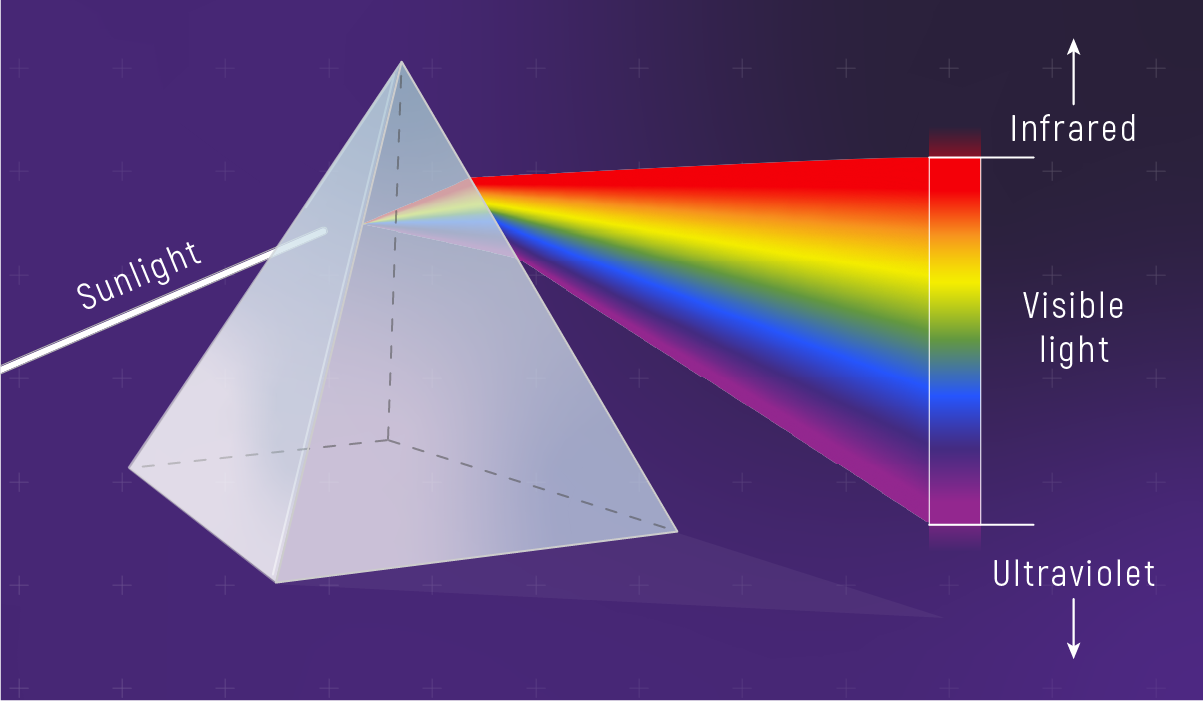
A spectrum often refers to a range of values or characteristics that blend seamlessly into one another, much like how colors transition from red to violet in a rainbow. This concept is not limited to light but it is used in various scientific disciplines, from the electromagnetic spectrum encompassing radio waves to gamma rays, to the spectrum of sounds.
12) Solubility:
Solubility is a crucial science term that describes the ability of a substance, known as the solute, to dissolve in a solvent, typically a liquid, forming a homogeneous solution. This phenomenon is not just a simple mixing of two substances but it involves interactions at the molecular level, where solute particles are surrounded and separated by solvent molecules. The resulting solution is often a reflection of both chemical composition and physical conditions, such as temperature and pressure.

13) Satellite:
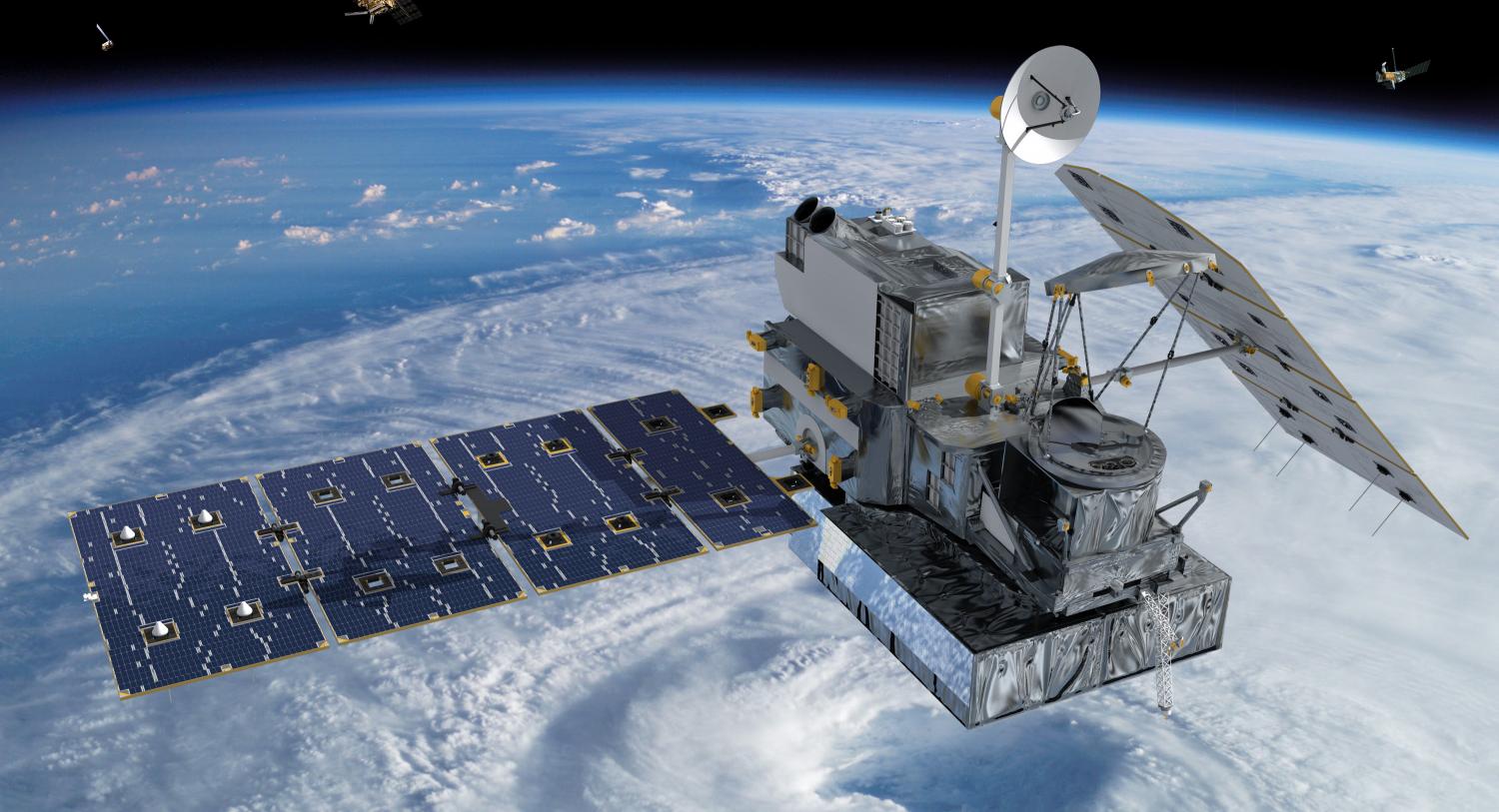
A satellite is typically defined as a celestial body that orbits a planet or star. This includes natural satellites, like our Moon, which has fascinated humanity with its phases and influence on tides. We also consider artificial satellites, which humans have constructed to enhance our understanding of the cosmos and improve daily life on Earth. These man-made wonders come in various shapes and sizes and help in weather monitoring and telecommunications, and even the navigation systems we use today.
14) Seismology:
Seismology explores the dynamics of earthquakes and the propagation of seismic waves through the Earth. It also includes the study of the Earth’s internal structure and the forces that shape its behavior. By examining various seismic waves — such as P-waves and S-waves — scientists can infer critical information about the Earth’s lithosphere and asthenosphere, leading to enhanced models of tectonic plate interactions.
Modern seismology uses advanced technologies like seismic tomography, which creates a three-dimensional image of the Earth’s subsurface. These innovations provide striking insights into phenomena like volcanic activity and fault movements.

15) Stoichiometry:
Stoichiometry is a fundamental science term that deals with the quantitative relationships between the reactants and products in chemical reactions. At its core, stoichiometry allows chemists to predict how much of a substance is required or produced in a reaction.
Moreover, stoichiometry serves as a bridge between theoretical chemistry and practical applications. For instance, in industrial settings, it ensures materials are used efficiently to minimize waste and optimize production.
16) Salinity:
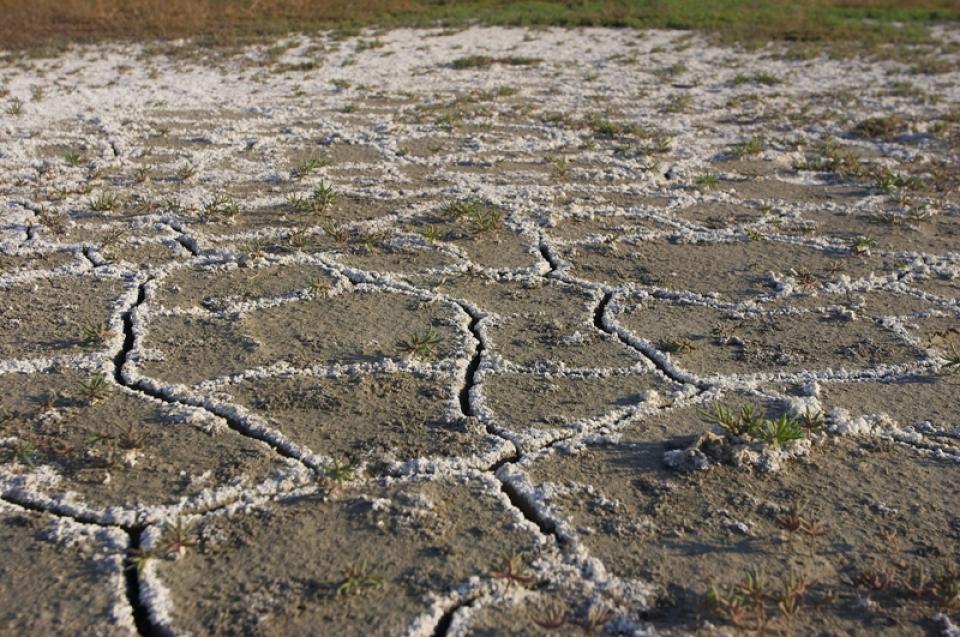
Salinity refers to the concentration of dissolved salts in water, usually expressed in parts per thousand (ppt) or practical salinity units (PSU). High salinity levels can create challenging environments for marine life, while low salinity often fosters diverse freshwater habitats.
17) Spectroscopy:
Spectroscopy is the study of how matter interacts with electromagnetic radiation. By examining the light absorbed or emitted by substances, scientists can understand complex molecular structures and identify materials with precision. This technique spans across various fields, from determining the composition of distant stars in astrophysics to analyzing the details of chemical compounds in chemistry labs.

18) Sublimation:
Sublimation is the process in which a substance transitions directly from a solid to a gas without passing through the liquid state. This phenomenon occurs when the molecules in a solid gain enough energy to overcome the forces holding them together, often triggered by changes in temperature or pressure. Common examples include dry ice (solid carbon dioxide) evaporating into carbon dioxide gas, showcasing how certain materials can skip the liquid phase altogether.

19) Symmetry:
Symmetry shows a harmonious balance, as an object is said to be symmetric if it can be divided into two or more identical parts that mirror each other. This concept manifests in diverse forms, such as reflective symmetry, where one half is a mirror image of the other, and rotational symmetry, which involves patterns that look the same after being rotated around a central point. Consider the intricate designs of snowflakes or the bilateral symmetry of animals.

20) Surface Tension:
Surface tension is the phenomenon that occurs at the interface between a liquid and a gas, where the liquid behaves like a stretched elastic membrane. This intriguing property arises from the cohesive forces among liquid molecules, which are attracted more strongly to each other than to the air above. As a result, the surface molecules experience a net inward force, leading to a minimized surface area. This explains why small droplets of water bead up rather than spreading out flat.
:max_bytes(150000):strip_icc()/Surface-Tension-58c6c2365f9b58af5c534f71.jpg)
Final Words
In conclusion, the science words that start with the letter “S” not only enrich our vocabulary but also represent critical concepts that drive modern science. From “synthesis” to “spectroscopy,” these terms encapsulate vital processes and methods essential for advancements in various scientific fields.
Understanding these words enables students, researchers, and enthusiasts to engage more deeply with the material, fostering a greater appreciation for the complexities of the world around us. So, let’s continue exploring such as science words that start with O and embrace the language of science to inspire innovation and discovery!
FAQs
1. What are some science words that start with S?
Some common science words that start with S are species, solar energy, solution, symbiosis, salinity, spectroscopy, and sublimation.
These terms are used in areas such as biology, chemistry, physics, and Earth science.
2. Why are science words that start with S important?
Science words that start with S help describe many important ideas in different fields of science.
Learning them can make science topics easier to understand and remember.
3. What is a good S-word for Earth science?
Seismology is a useful S-word for Earth science because it deals with earthquakes and seismic waves.
Sediment and salinity are also common terms used when studying Earth and its water systems.
4. What science words start with S in biology?
Common biology terms include species, symbiosis, and stimulus.
They help explain living things, their relationships, and how they respond to their surroundings.
5. What science words start with S in chemistry?
Some useful chemistry terms are solution, solubility, stoichiometry, synthesis, and sublimation.
These words describe mixtures, chemical reactions, and changes in substances.
6. What is salinity in science?
Salinity means the amount of dissolved salt present in water.
It is especially important when studying oceans, lakes, rivers, and marine life.
7. What is spectroscopy in simple words?
Spectroscopy is a method scientists use to study how matter interacts with light.
It can help identify substances and learn more about their structure.
8. What is sublimation in science?
Sublimation happens when a solid changes directly into a gas without becoming a liquid first.
Dry ice changing into carbon dioxide gas is a common example of sublimation.
9. What is surface tension in science?
Surface tension is the force that makes the surface of a liquid act a little like a thin skin.
It helps explain why water forms round drops and why some small insects can move on water.
10. What is scattering in science?
Scattering happens when light, sound, or other particles change direction after hitting something.
For example, light scattering in the atmosphere helps make the sky appear blue.

